horticultural perlite
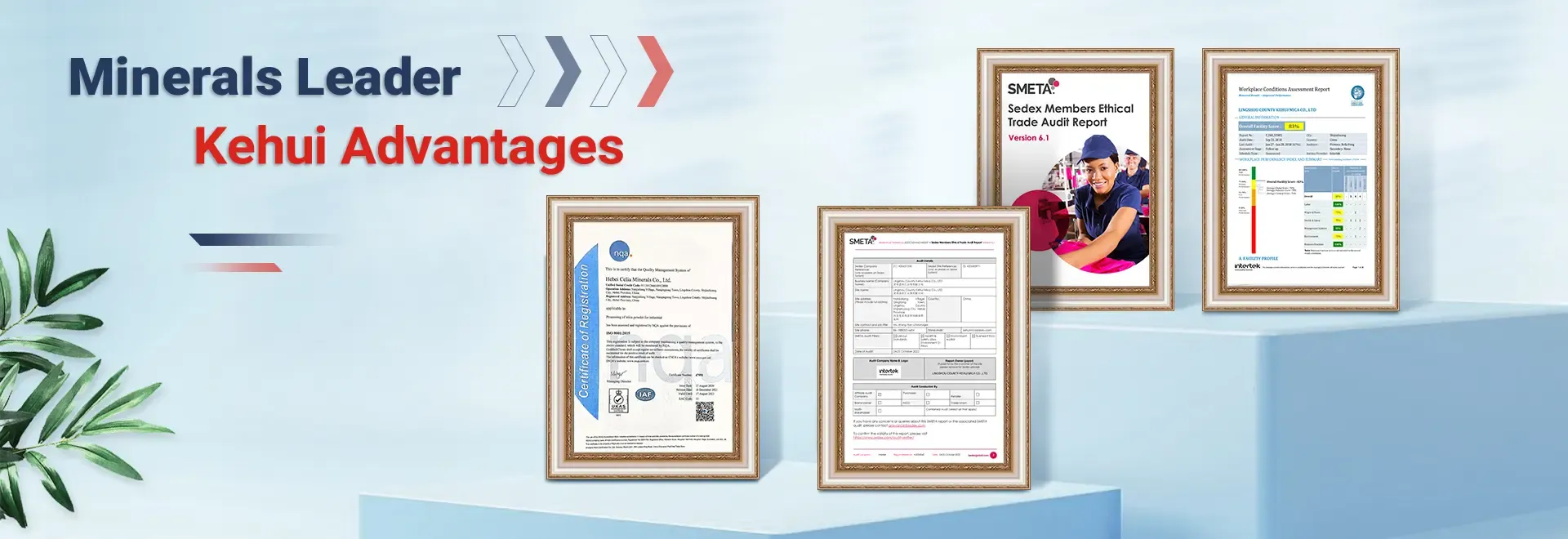
Understanding Horticultural and Agricultural Grade Expanded Golden Vermiculite In the dynamic world of modern agriculture and horticulture, optimizing growing conditions for maximum yield and plant health is paramount. A key component contributing to this optimization is Horticultural and Agricultural grade Expanded golden Vermiculite . This exceptional mineral, known for its layered structure and remarkable properties, serves as an invaluable substrate amendment, soil conditioner, and growing medium across a vast spectrum of applications. Its unique attributes, including superior water retention, aeration, and cation exchange capacity (CEC), position it as a critical input for both large-scale commercial operations and precision farming initiatives aiming for sustainable growth and enhanced crop resilience. The demand for high-performance growing media has steadily increased, driven by global food security concerns, the expansion of hydroponic and soilless cultivation systems, and a heightened focus on environmental sustainability. Expanded vermiculite directly addresses these needs by providing an inert, sterile, and lightweight medium that significantly improves soil structure and nutrient availability. Its characteristic golden hue is a visual indicator of its purity and quality, reflecting the meticulous processing it undergoes to meet stringent horticultural and agricultural standards. The Advanced Manufacturing Process of Expanded Vermiculite The transformation of raw vermiculite ore into its highly beneficial expanded form is a sophisticated industrial process, critical for imparting the properties valued in horticultural and agricultural applications. This process enhances the mineral's natural capabilities, making it an ideal growing medium component. Process Flow Overview: Mining and Ore Extraction: High-quality vermiculite ore, primarily hydrous phyllosilicate minerals, is extracted from open-pit mines. The raw material is carefully selected for its mineralogical purity and consistency. Crushing and Sizing: The extracted ore undergoes initial crushing to reduce it to manageable sizes. It is then meticulously screened into various grades based on particle size (e.g., fine, medium, coarse). This sizing is crucial as it dictates the efficiency of the exfoliation process and the final product's suitability for specific applications. Exfoliation (Thermal Treatment): This is the core of the manufacturing process. The sized vermiculite flakes are fed into high-temperature furnaces, typically operating between 800°C and 1100°C. The rapid application of heat causes the water trapped within the mineral's lamellar (layered) structure to turn into steam. This steam forces the layers apart, expanding the flakes up to 8-20 times their original volume. This expansion results in a lightweight, porous material with significantly increased surface area, creating the characteristic worm-like, golden particles. Cooling and Dust Removal: The exfoliated vermiculite is rapidly cooled to stabilize its expanded structure. During this stage, a sophisticated dust collection system is employed to remove any fine particulate matter, ensuring a clean and safe product for handling and application. Final Screening and Quality Control: The expanded product undergoes another round of screening to ensure uniform particle size and remove any unexfoliated or oversized material. Rigorous quality control checks are performed throughout the process, adhering to international standards such as ISO 9001 for quality management. This includes testing for bulk density, pH, moisture content, and particle size distribution to meet specific horticultural and agricultural grade requirements. Packaging: The finished, high-quality expanded golden vermiculite is then packaged in various forms (e.g., bags, bulk sacks) ready for distribution to growers, nurseries, and agricultural suppliers worldwide. This meticulous process ensures that the final product, Horticultural and Agricultural grade Expanded golden Vermiculite , possesses optimal physical and chemical properties essential for superior plant growth, including excellent thermal insulation, high water-holding capacity, and a favorable pH range for nutrient uptake. Industry Trends and Market Dynamics The market for horticultural and agricultural growing media is experiencing significant evolution, driven by several key global trends. The increasing adoption of hydroponics, aeroponics, and vertical farming techniques, particularly in urban areas, is a major growth driver. These advanced cultivation methods rely heavily on inert, high-performance substrates that can be precisely controlled for nutrient delivery and moisture management. Expanded vermiculite is perfectly suited for these systems due to its lightweight nature, excellent aeration, and ability to hold water and nutrients efficiently without contributing to soilborne diseases. Furthermore, the growing emphasis on sustainable agriculture and organic farming practices is boosting the demand for natural and environmentally friendly soil amendments. Vermiculite, being a naturally occurring mineral, aligns well with these principles. It improves soil structure, reduces water requirements, and enhances the efficacy of fertilizers, thereby contributing to more sustainable agricultural ecosystems. The push for improved crop yields, especially in regions facing water scarcity or poor soil quality, further underscores the importance of advanced soil conditioners like expanded vermiculite. Technological advancements in precision agriculture also play a role. Farmers and growers are increasingly seeking materials that can offer predictable performance and contribute to optimized growth cycles. The consistent quality and specific parameters of expanded vermiculite make it a reliable choice for operations that leverage data-driven insights to manage their crops. The market is also seeing a trend towards custom blending of growing media, where vermiculite is combined with other substrates like perlite, coco coir, or peat moss to achieve highly specific characteristics tailored to particular crop types or environmental conditions. Technical Specifications and Performance Parameters The efficacy of Horticultural and Agricultural grade Expanded golden Vermiculite is underpinned by its distinct physical and chemical properties. These technical specifications are critical for B2B buyers and agricultural engineers in selecting the appropriate grade and ensuring optimal performance in diverse applications. Key Technical Data: Parameter Typical Value / Range Significance in Application Bulk Density (Expanded) 80-160 kg/m³ Extremely lightweight, reducing transport costs and structural load in rooftop gardens or vertical farms. Enhances soil workability. pH Value 6.0 - 9.0 (typically 7.0-8.0, near neutral) Provides a stable, favorable pH for nutrient availability and absorption by most plants. Excellent pH buffering capacity. Water Holding Capacity 300-500% by weight Exceptional water retention, reducing irrigation frequency and water consumption. Releases water gradually to plant roots. Cation Exchange Capacity (CEC) 80-120 meq/100g High CEC allows it to absorb and store essential plant nutrients (e.g., K+, Ca2+, Mg2+) and release them on demand, preventing nutrient leaching. Particle Size Distribution Fine (0.5-1mm), Medium (1-2mm), Coarse (2-4mm) Tailorable for specific needs: fines for seed starting, medium for potting mixes, coarse for hydroponics and aeration. Thermal Insulation Value K-value: 0.06 W/mK Insulates root zones against extreme temperature fluctuations, protecting plants from heat stress in summer and cold shock in winter. Sterility Sterile (post-exfoliation) Free from weeds, pests, and pathogens, reducing the risk of disease transmission and ensuring a clean growing environment. These parameters highlight why expanded vermiculite is not merely a filler but a highly engineered mineral component for sophisticated horticultural and agricultural systems. Its consistency and reliability are confirmed through adherence to international testing standards, ensuring it meets the rigorous demands of professional growers. Diverse Application Scenarios The versatility of expanded golden vermiculite allows for its successful integration into a multitude of growing environments and cultivation techniques. Its benefits are widely recognized across various target industries, including commercial nurseries, large-scale farms, hydroponic facilities, and landscaping projects. Seed Germination and Seedlings: Fine-grade vermiculite is exceptionally good for seed starting due to its sterile nature, excellent moisture retention, and aeration. It promotes rapid and uniform germination and robust root development, reducing transplant shock. Potting Mixes and Substrates: Blended with peat, coco coir, or compost, vermiculite significantly improves the physical structure of potting mixes. It enhances water holding capacity, reduces compaction, and provides optimal aeration for healthy root growth. This is critical for container111 gardening, greenhouses, and nursery operations. Hydroponics and Soilless Cultivation: As an inert and lightweight medium, expanded vermiculite is an ideal component in hydroponic systems. It provides physical support for roots while allowing precise control over nutrient solutions. Its CEC properties also help buffer nutrient fluctuations. Soil Amendment and Conditioning: For traditional field agriculture, vermiculite can be incorporated into heavy clay soils to improve drainage and aeration, or into sandy soils to increase water and nutrient retention. This leads to healthier soil structure, better nutrient uptake, and reduced irrigation needs. Cuttings and Rooting: Its sterile and moisture-retentive properties make it an excellent medium for rooting plant cuttings, offering a stable and disease-free environment for new root formation. Turf and Lawn Care: Incorporated into turf underlayments, it improves drainage and helps establish stronger, deeper root systems for healthier lawns and sports fields. Storage of Bulbs and Root Crops: Vermiculite's thermal insulation and moisture-buffering properties make it an ideal medium for storing bulbs and root crops over winter, preventing dehydration and protecting against temperature extremes. In each of these scenarios, the primary advantages demonstrated include enhanced energy saving through better thermal management of root zones, superior corrosion resistance (as it is chemically inert), and overall improved plant vitality and yield. Technical Advantages of Expanded Golden Vermiculite Choosing Horticultural and Agricultural grade Expanded golden Vermiculite for your cultivation needs offers a suite of distinct technical advantages that translate directly into operational efficiencies and improved crop outcomes. These benefits are particularly pertinent for B2B stakeholders focused on scalable and sustainable agricultural practices. Optimized Water Management: Its high water-holding capacity reduces the frequency of irrigation, leading to significant water savings (up to 30-50% in some systems) and decreased operational costs. This makes it invaluable in water-scarce regions or for crops requiring consistent moisture. Enhanced Nutrient Retention and Availability: The high Cation Exchange Capacity (CEC) of vermiculite enables it to effectively "capture" and store essential plant nutrients, preventing leaching and making them gradually available to plant roots. This minimizes fertilizer runoff, leading to more efficient nutrient utilization and reduced environmental impact. Superior Aeration and Root Development: The expanded, porous structure ensures excellent air-filled porosity in the growing medium. This critical aeration prevents root rot, promotes robust root systems, and supports beneficial microbial activity, which are all vital for overall plant health and nutrient uptake. Thermal Regulation: Vermiculite acts as an insulator, moderating soil and root zone temperatures. This thermal buffering protects plants from both extreme heat and cold, extending growing seasons and reducing stress-related crop losses, especially in greenhouses or unpredictable climates. Sterility and Disease Resistance: The high-temperature exfoliation process renders vermiculite sterile, free from weeds, pests, and pathogens. This significantly reduces the incidence of soilborne diseases, promoting healthier seedlings and decreasing the need for chemical treatments. pH Buffering Capability: With a near-neutral pH, vermiculite helps stabilize the pH of growing media, preventing sudden fluctuations that can hinder nutrient absorption. This creates a more consistent and forgiving environment for plant growth. Lightweight and Easy to Handle: Its low bulk density makes it easy to mix, transport, and apply, reducing labor costs and making it suitable for applications where weight is a concern, such as rooftop gardens or hanging baskets. These combined technical attributes underscore vermiculite's role as a high-value input that delivers tangible improvements in crop yield, quality, and resource efficiency. Vendor Comparison: Why Choose Our Expanded Vermiculite When sourcing Horticultural and Agricultural grade Expanded golden Vermiculite , discerning B2B buyers consider several factors beyond just price. Quality, consistency, certifications, and logistical capabilities are paramount. Here’s a comparison highlighting our commitment to excellence: Feature Our Offering (Kehui Mica) Typical Competitor Raw Material Sourcing Ethically sourced, high-purity golden vermiculite ore with strict quality control at origin. Consistent mineralogical profile. Varied sources, potentially inconsistent quality; less stringent initial screening. Exfoliation Process Advanced, controlled furnace technology ensuring uniform expansion (8-20x) and optimal particle structure. Minimal fines. Standard processes, potentially leading to varied expansion rates and higher percentage of unexfoliated material or excessive fines. Quality Certifications ISO 9001 certified for quality management. Regular third-party testing for chemical purity, pH, bulk density, and CEC. May lack comprehensive or regularly updated certifications; reliance on internal testing. Particle Size Consistency Precision screening ensures tight control over specified particle size ranges (e.g., fine, medium, coarse) for specific applications. Wider particle size distribution, requiring additional customer sorting or leading to suboptimal performance. Customer Support & Customization Dedicated technical support, ability to provide customized grades and packaging solutions, expert consultation. Standard product offerings, limited technical assistance or customization. Lead Times & Fulfillment Optimized logistics and inventory management for reliable and timely global delivery. Typically 2-4 weeks for standard orders. Variable lead times, potential for delays, less predictable supply chain. Our unwavering commitment to quality, backed by stringent manufacturing protocols and adherence to ISO standards, ensures that our Horticultural and Agricultural grade Expanded golden Vermiculite consistently outperforms, providing a reliable foundation for your agricultural and horticultural success. Customized Solutions for Specific Needs Recognizing that every agricultural or horticultural project has unique requirements, we offer extensive customization options for our expanded golden vermiculite. Our technical team works closely with clients to develop bespoke solutions that precisely match their operational needs and desired outcomes. Tailored Particle Sizes: While standard grades (fine, medium, coarse) are available, we can provide specific particle size distributions to optimize aeration, drainage, or water retention for particular crops or growing systems (e.g., micro-propagation, specialized hydroponic setups). Custom Blends: For complex substrate requirements, we can engineer custom blends of vermiculite with other inert media like perlite, coco coir, or rockwool. These blends are designed to achieve precise air-to-water ratios, nutrient buffering capacities, and thermal properties for optimal plant performance in highly specialized environments. Specific Packaging: From bulk super sacks for large commercial farms to smaller, branded bags for retail or specialized nursery use, we can accommodate various packaging preferences to streamline your logistics and branding efforts. Logistical Adaptations: We collaborate with clients to establish supply chain solutions that align with their operational scale and geographic location, ensuring timely and cost-effective delivery of custom orders. Our commitment to customization is rooted in understanding that maximum efficiency and yield are achieved when inputs are perfectly aligned with specific cultivation strategies. Application Case Studies The practical benefits of Horticultural and Agricultural grade Expanded golden Vermiculite are best illustrated through real-world applications and client successes. These case studies highlight the measurable impact of incorporating high-quality vermiculite into various cultivation systems. Case Study 1: Large-Scale Commercial Greenhouse for Leafy Greens Client: HydroPure Farms, a leading hydroponic leafy green producer in the Netherlands. Challenge: Maintaining consistent moisture and nutrient delivery in a high-density, ebb-and-flow hydroponic system while preventing root rot and nutrient imbalances. Solution: HydroPure Farms implemented a custom blend of medium-grade expanded golden vermiculite (70%) and perlite (30%) as their primary growing medium. This blend provided the necessary structural integrity, optimal air-to-water ratio, and enhanced CEC for nutrient buffering. Results: After six months, HydroPure Farms reported a 15% increase in crop yield for various lettuce varieties, primarily due to faster growth cycles and reduced plant mortality from root-related issues. Water consumption was reduced by 10% compared to previous systems, attributed to vermiculite's efficient water retention. Nutrient solution stability also improved, requiring fewer adjustments and optimizing fertilizer usage by 8%. Case Study 2: Orchard Establishment in Arid Regions Client: AridLands Agriculture Co., a fruit tree nursery and orchard developer in the Middle East. Challenge: Establishing new fruit orchards in sandy, nutrient-poor soils with limited water resources and extreme temperature fluctuations. Solution: Coarse-grade expanded golden vermiculite was incorporated into the planting holes for each young tree, mixed with the existing soil at a 1:3 ratio. This created a localized zone with improved water retention, nutrient availability, and thermal buffering around the critical root zone. Results: Tree survival rates in the first year increased by 25% compared to control groups without vermiculite. Growers observed significantly faster establishment and early growth, with reduced signs of drought stress during critical periods. The improved thermal insulation helped protect young roots from daytime heat and nighttime cold. Overall, the project demonstrated a more efficient use of limited irrigation water and enhanced sapling vigor. Frequently Asked Questions (FAQ) Q1: What is the primary difference between expanded vermiculite and perlite? A1: While both are lightweight, sterile, and used to improve growing media, vermiculite has a higher Cation Exchange Capacity (CEC), meaning it can retain and release nutrients, and significantly higher water-holding capacity. Perlite primarily enhances drainage and aeration and has very low CEC. Vermiculite also offers superior thermal insulation. Q2: Is expanded vermiculite reusable? A2: Yes, expanded vermiculite can be reused, particularly if it was used in sterile applications like seed starting. However, for best practice, especially in commercial settings, it is often recommended to use fresh material to avoid potential buildup of salts or introduction of pathogens from previous crops. Sterilization processes can enable reuse in certain contexts. Q3: What are the typical lead times for bulk orders of expanded vermiculite? A3: For standard bulk orders, our typical lead time ranges from 2 to 4 weeks, depending on order volume and specific grade requirements. We maintain a robust inventory and efficient logistics network to ensure timely delivery. Custom orders may require slightly longer lead times, which will be communicated clearly during the quotation process. Q4: What are your warranty commitments for product quality? A4: We stand by the quality of our Horticultural and Agricultural grade Expanded golden Vermiculite . Our products are guaranteed to meet the specified technical parameters and industry standards (e.g., ISO 9001). Any product found to be outside our published specifications upon delivery will be replaced or refunded. Full warranty details are available upon request and are included with every major order agreement. Q5: Do you offer after-sales support and technical consultation? A5: Absolutely. Our commitment extends beyond delivery. We offer comprehensive after-sales support, including technical advice on application best practices, troubleshooting, and optimization strategies for using expanded vermiculite in your specific systems. Our team of horticultural experts is available to provide guidance to ensure you achieve the best possible results. Trustworthiness: Certifications and Partnerships Our position as a trusted supplier of expanded golden vermiculite is built on a foundation of rigorous quality assurance and strong industry partnerships. ISO 9001 Certified: Our manufacturing facilities and quality management systems are certified to ISO 9001 standards, ensuring consistent product quality and process reliability from raw material sourcing to final packaging. Authoritative Testing: All batches undergo comprehensive testing for key parameters such as bulk density, pH, moisture content, and particle size distribution. We can provide Certificates of Analysis (CoA) for every shipment, verifying compliance with stated specifications. Established Industry Presence: With over 15 years of experience in the mica and mineral industry, we have cultivated deep expertise and a reputation for reliability among agricultural and horticultural enterprises globally. Our long-standing relationships with key clients attest to our consistent performance and service excellence. Strategic Partnerships: We collaborate with leading research institutions and agricultural bodies to stay at the forefront of innovation in growing media, ensuring our products remain optimized for evolving industry demands. These credentials provide our clients with the assurance that they are investing in a product and a partnership that prioritizes quality, performance, and long-term success. References Chen, C. & Xu, R. (2009). Agricultural applications of vermiculite. Soil Science Society of America Journal , 73(4), 1321-1327. International Vermiculite Association. (2021). The Properties and Uses of Vermiculite . Retrieved from https://vermiculite.org/ USDA Natural Resources Conservation Service. (2018). Soil Amendments Fact Sheet . Retrieved from https://www.nrcs.usda.gov/resources/guides-and-summaries/soil-amendments-for-gardeners-fact-sheet Jones, J. B., Jr. (2005). Hydroponics: A Practical Guide for the Soilless Grower . CRC Press. Smith, P. & Johnson, K. (2019). Impact of Expanded Vermiculite on Water Use Efficiency in Greenhouse Cultivation. Journal of Horticultural Science and Biotechnology , 94(3), 321-329.
-
0 YearEstablished in 1997
-
0Celia Mica Produced
-
0 ㎡Factory Floor Area
APPLICATION
-

-
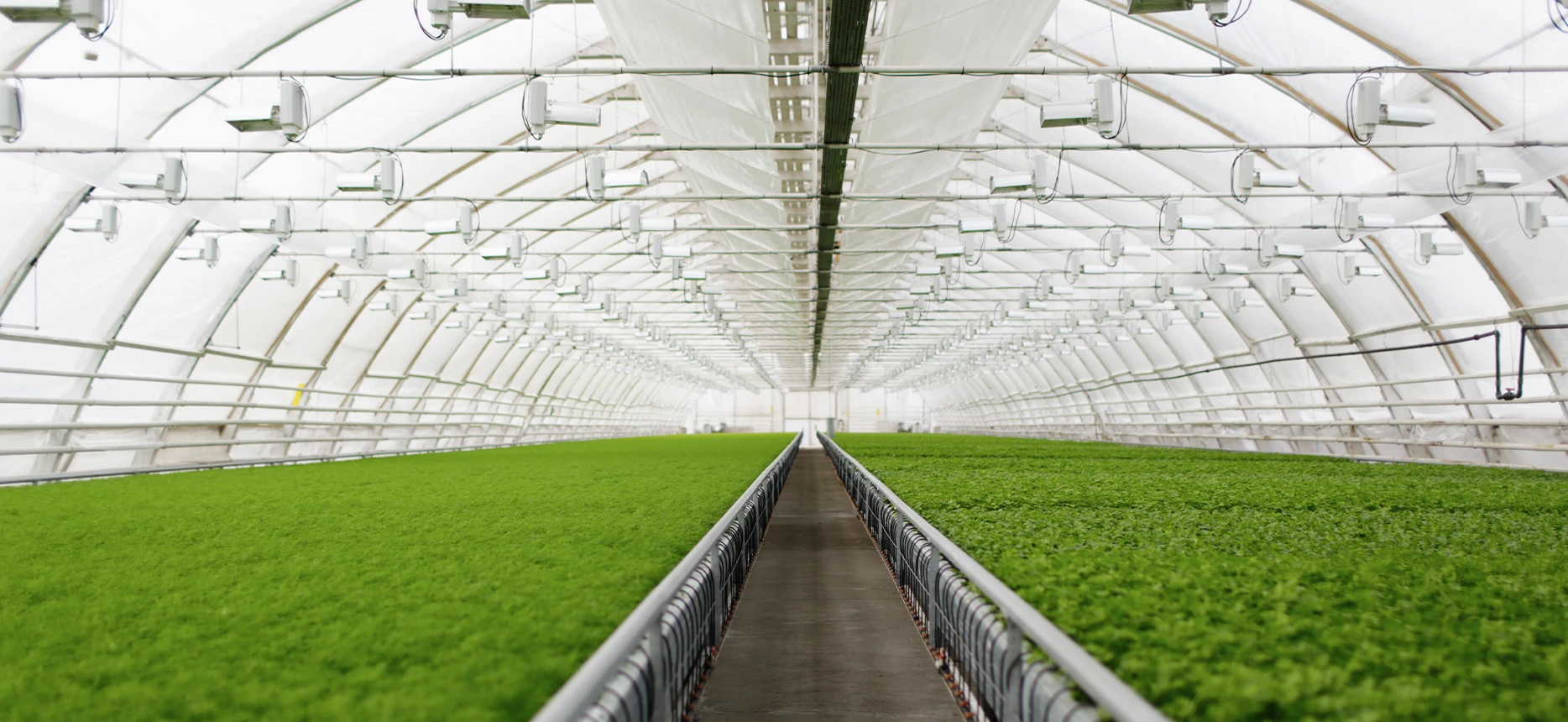
ApplicationHydroponics GardeningGrowing Mediums Gardening &Horticulture Hydroponics&Aquaponics Agricultur al&Greenhouse
-

-
ApplicationHydroponics GardeningGrowing Mediums Gardening &Horticulture Hydroponics&Aquaponics Agricultur al&Greenhouse
 Industrial
Minerals
Industrial
Minerals
 Hydroponics
Gardening
Hydroponics
Gardening